Towards a Circular Economy
Approach and Policy
Mitsubishi Chemical Group's Vision for Decarbonisation and Circularityin the Chemical Industry
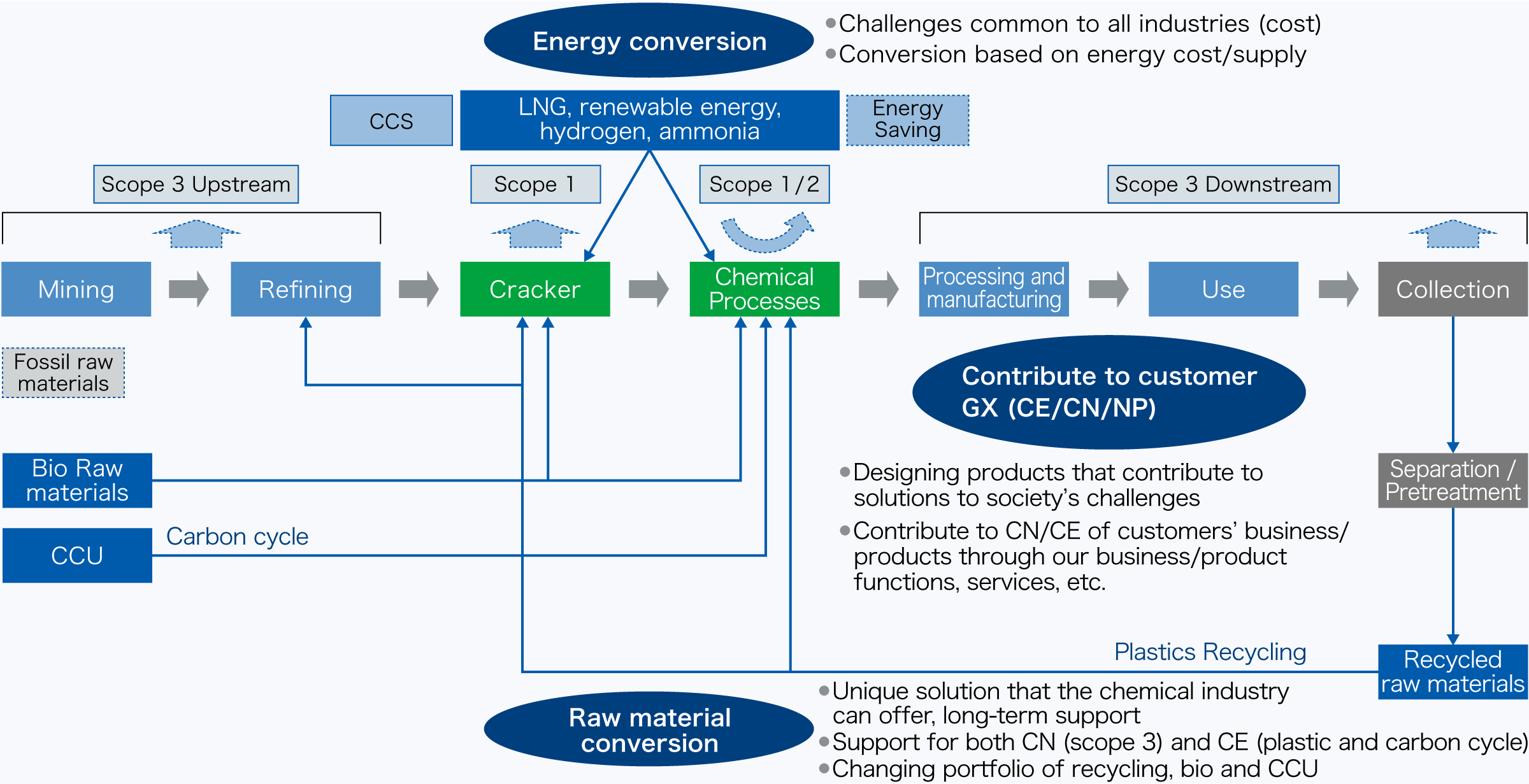
The chemical industry is promoting its own transformation through energy conversion in product manufacturing processes and raw material conversion through the use of recycled plastics, bio-derived materials, and carbon capture and utilization (CCU). It is also contributing to the advancement of green transformation (GX) and nature positive (NP), which will help achieve carbon neutrality (CN) and a circular economy (CE) throughout the entire value chain.
We provide solutions society needs by leveraging our technological capabilities to impart the functions and properties of materials along with data management, such as life cycle assessment (LCA).
Our Actions on the Plastics Cycle
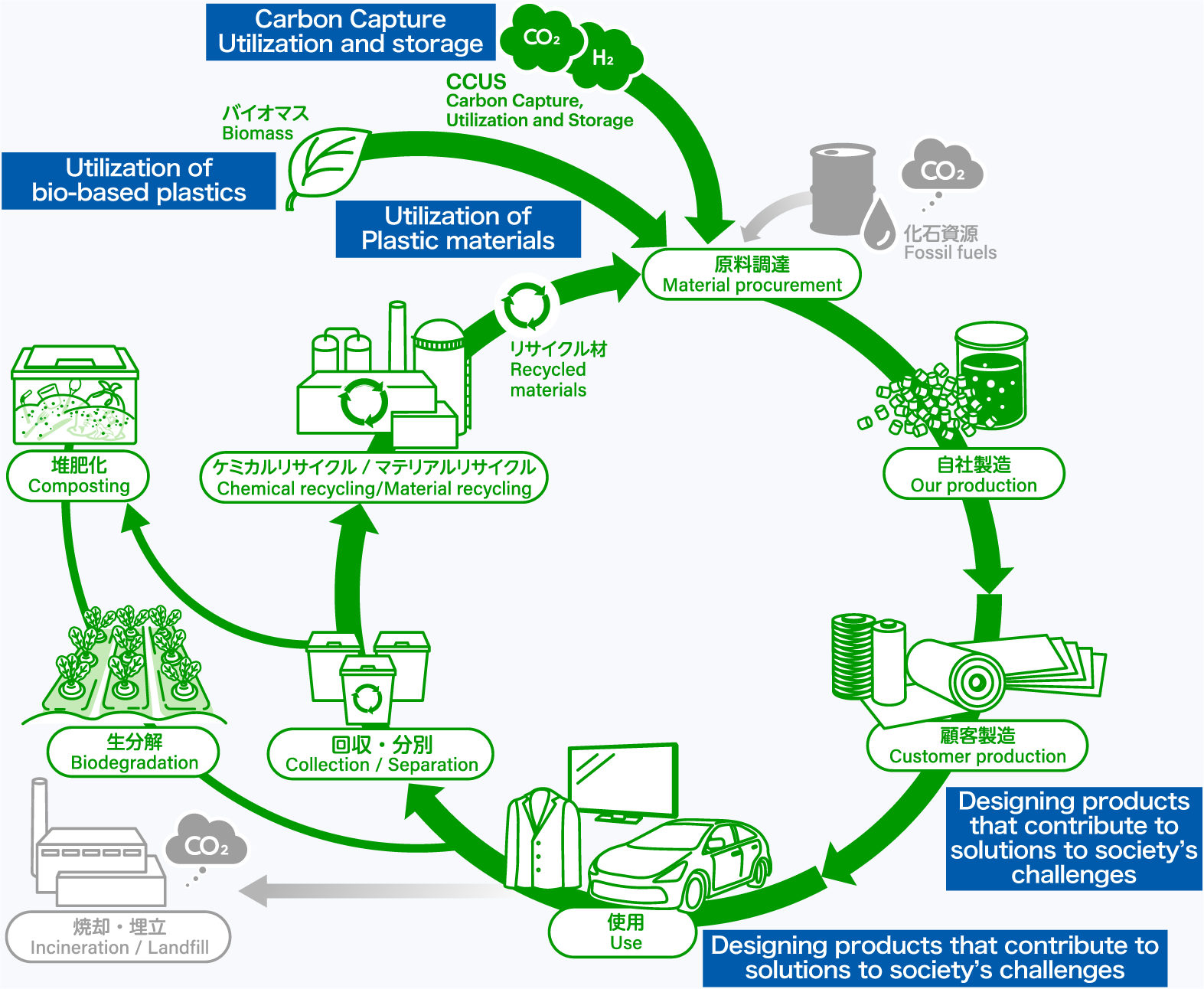
The Mitsubishi Chemical Group is stepping up its efforts to transition of raw materials through plastics recycling and carbon capture and utilization, positioning these as the foundation for building a stable supply base for green chemicals in its ongoing medium-term management plan.
We aim to further grow our business by providing recycled plastic materials created from chemical and mechanical recycling, converting to the use of biobased materials, and expanding our solutions whose use reduces GHG emissions. By using LCAs to quantitatively determine the carbon footprint or environmental footprint of our products, we aim to play a leading role in reducing the environmental impact in various stages, including R&D, manufacturing, and product proposal. Furthermore, through open innovation and partnering with stakeholders to establish recycling systems, we are promoting efforts to realize a recycling-oriented society that contributes to more comfortable and lifestyles and the environment.
Core Measures
Initiatives for Raw Materials Conversion
Aiming to Build a Stable Supply Base for Green Chemicals
As a materials innovator and manufacturer, we are actively promoting the conversion of raw materials for base chemicals to become a global leader in realizing CN and CE in the chemical industry and along the value chain. We are working to commercialize all three routes for raw materials: recycled, CO2, and biomass.
Pyrolysis; Plastic to oil conversion
Mitsubishi Chemical Corporation (MCC) is working with ENEOS Corporation to chemically recycle waste plastics into oil.
Converting plastics into oil through chemical recycling involves breaking down waste plastics chemically into oil, which is then used as a raw material for new plastics. This facility adopted hydrothermal recycling process*1 licensed from the UK-based Mura Technology Limited. This technology enables the production of recycled materials with the same quality as conventional petroleum-derived products. The use of recycled materials is expected to be extended to various applications, including those that are currently relying on virgin materials due to quality, safety, or hygiene reasons.
Furthermore, this facility obtained ISCC PLUS certification in July 2025., enabling it to provide a variety of recycled products with traceability.
- *1A technology that decomposes plastics using supercritical water (water containing high temperature and pressure) as a solvent.
-
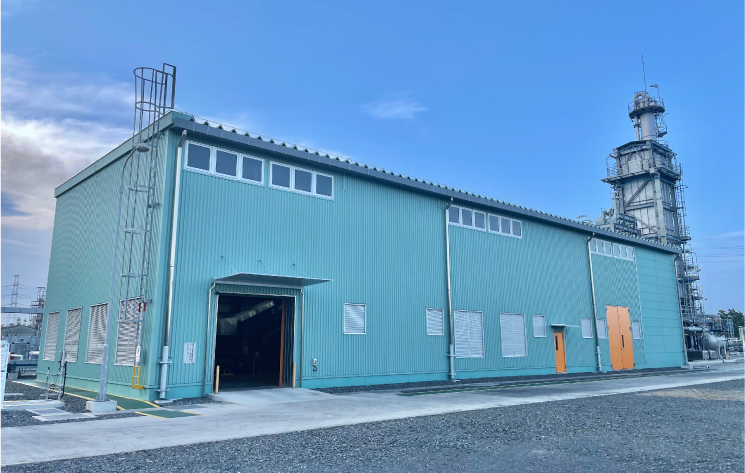
Chemical recycling plant and waste plastic warehouse
-
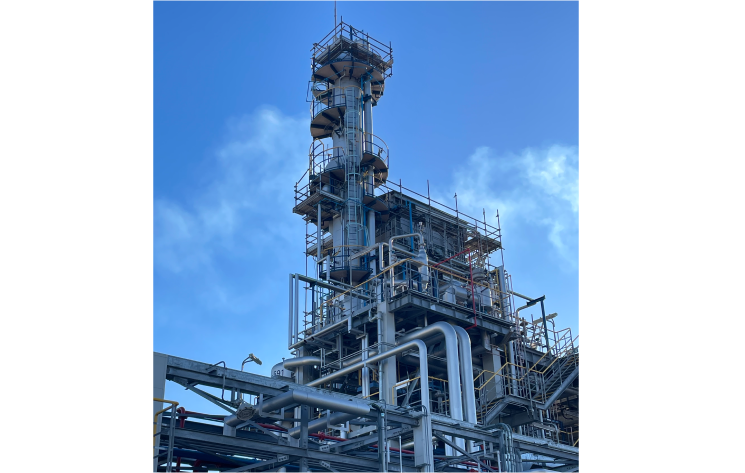
North side exterior of the chemical recycling plant
Supplying Recycled Acrylic Resin Materials
Mitsubishi Chemical Corporation and Honda Motor Co., Ltd. (Honda) have jointly developed PMMA (polymethyl methacrylate; "acrylic resin") recycled material for the door visors of the new N-ONE e: mini-electric vehicle, released on September 12, 2025. This marks the first time in the automotive industry that recycled acrylic resin has been used for door visors*2. Acrylic resin can be returned to its raw material of MMA (methyl methacrylate), through thermal decomposition making it a material suitable for chemical recycling. Since 2021, MCC has been conducting joint research with Microwave Chemical Co., Ltd. on microwave-based thermal decomposition recycling technology which enabled commercial usages.
However, acrylic resin collected from end-of-life vehicles has been difficult to recycle into products due to its limitation of providing consistent quality. Therefore, we collaborated with Honda and the Hokkaido Auto Dismantler Corporation to conduct a proof-of-concept (PoC) trial aimed at the recycling of acrylic resin. MCC established a collection method that prevents contamination of the collected waste PMMA and a recycling technology that produces the same quality as virgin materials.
The developed recycling technology applied in N-ONE e: door visor has reduced the usage of resources and CO2 emissions generated in production and disposals by using recycled materials.
- *2According to research by Honda Access Corp.
-
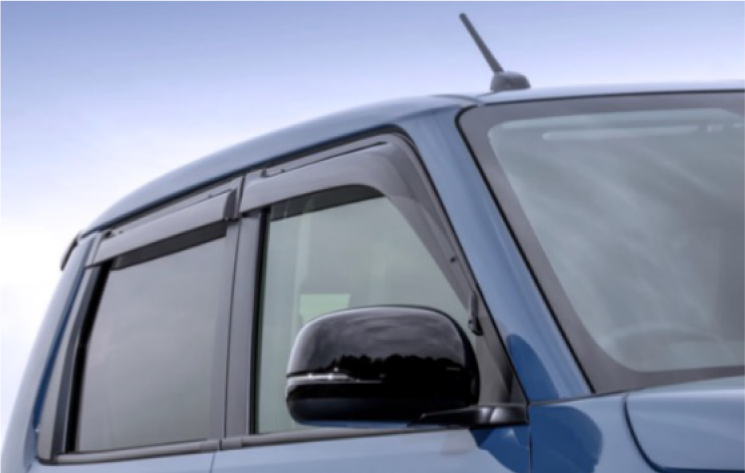
N-ONE e: Door visors made from recycled acrylic resin.
Transforming CO2 into a Raw Material
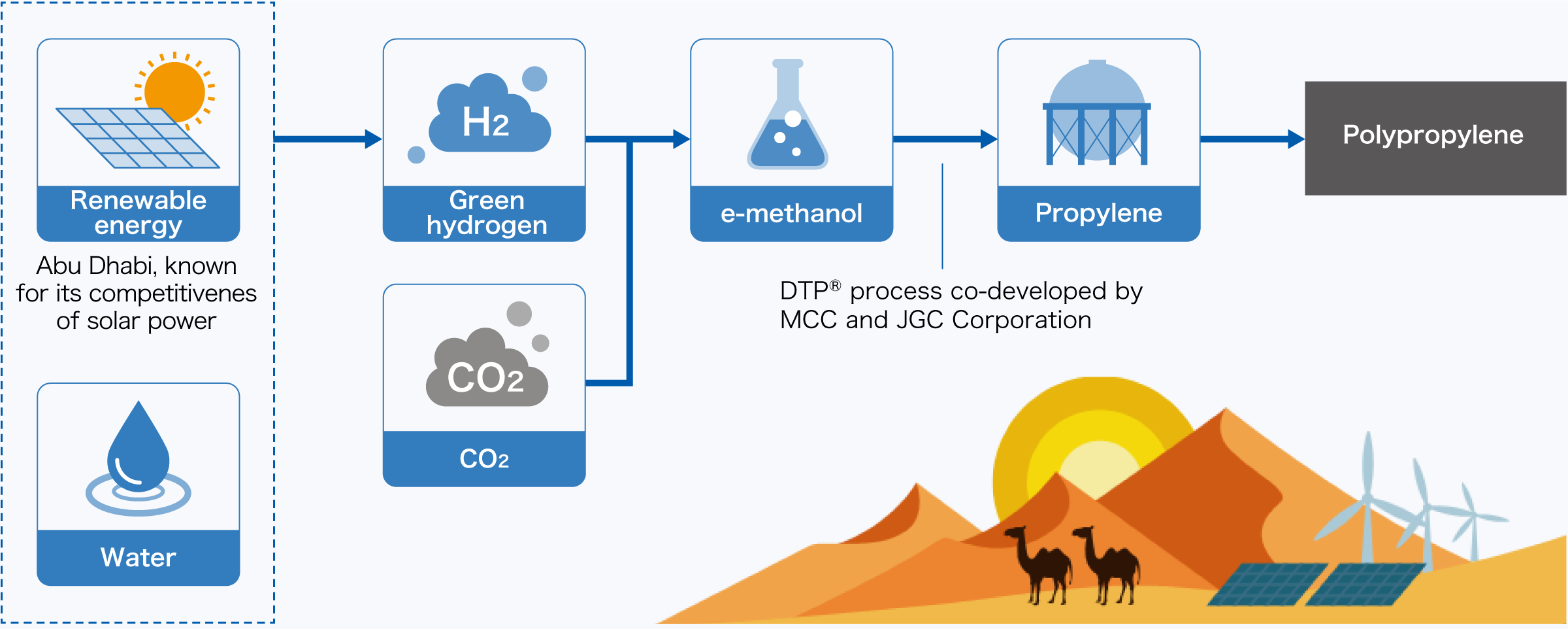
Mitsubishi Chemical Corporation, together with Abu Dhabi Future Energy Company PJSC (Masdar) and INPEX Corporation, is conducting a joint study on a carbon capture and utilization project to produce commercial-scale polypropylene from CO2 and green hydrogen.
The project under consideration involves synthesizing methanol from hydrogen produced using electricity derived from renewable energy sources (green hydrogen) and captured CO2, then using the DTPTM process jointly developed by MCC and JGC Corporation to produce propylene from the methanol, with the ultimate goal of producing polypropylene. Methanol, a basic chemical that has many uses, is expected to see significant growth in demand in the future as a clean marine fuel. Therefore, we anticipate future synergies between the chemical and fuel fields.
The project is expected to be located in Abu Dhabi, United Arab Emirates, and we are currently verifying the technical and economic feasibility, as well as the CO2 reduction effects.
Utilization of Bio-based raw materials
MCC is working to replace petroleum-based plastic raw materials with bio-based ones.
-
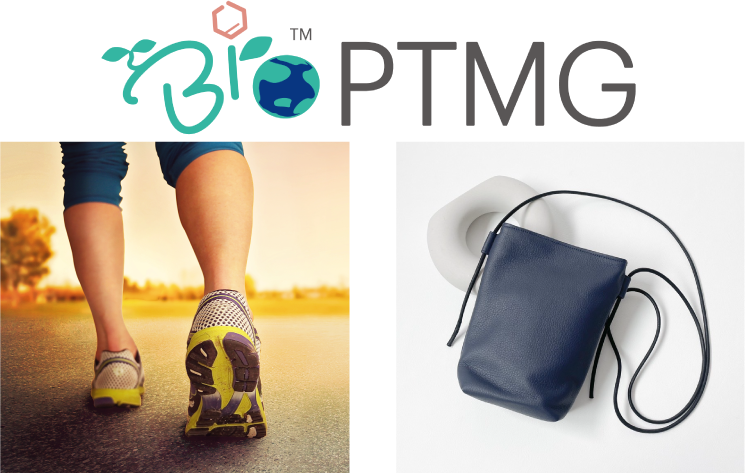
- BioPTMG is a plant-derived raw material for polyurethane elastomers. Taking advantage of its resilience, abrasion resistance, hydrolysis resistance, and flexibility at low temperature, BioPTMG contributes to reducing GHG emissions in a broad range of applications, from consumer goods to industrial materials.
-
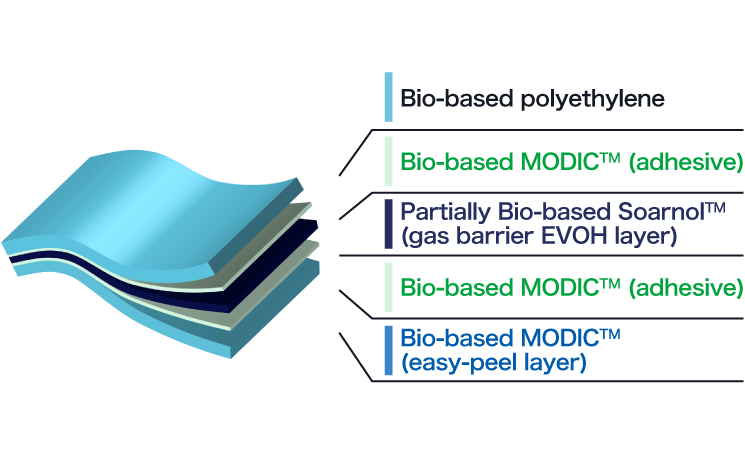
- Bio-based MODICTM is a functional polymer featuring adhesive properties across various materials developed using MCC’s proprietary blending and compounding technologies.
-
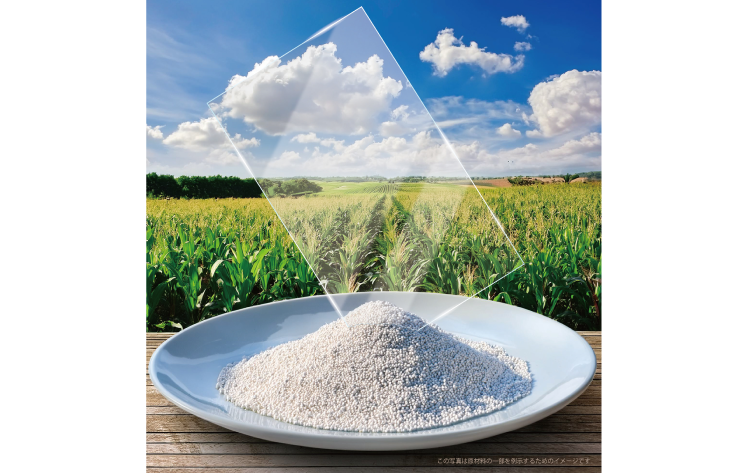
- BioplateTM is a bio-based plastic plate made primarily from DURABIOTM bio-based engineering plastic. This transparent material combines excellent weather resistance, impact resistance, and formability, and is used in industrial and construction applications.

Contributing during Customer Use (Longer Life, More Efficiency, and Lighter Weight)
We will contribute to reducing environmental impacts, such as GHG reduction, reducing VOCs, during customer use by providing products with functionality that exceeds conventional technologies.
-
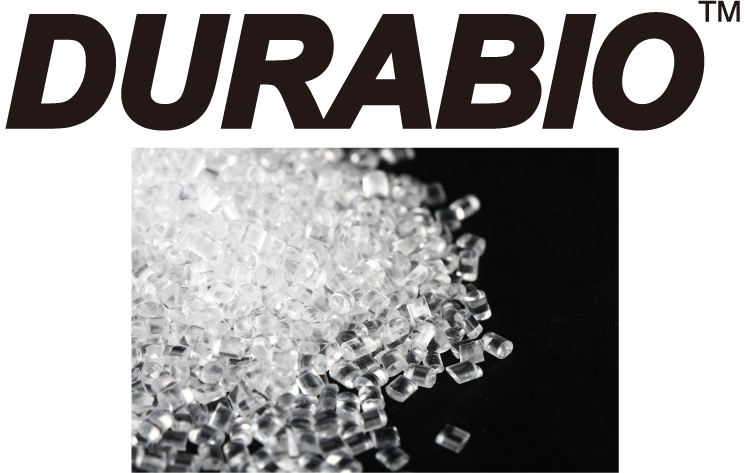
- In addition to combining the characteristics of polycarbonate and acrylic resin, DURABIO™ offers good colorability and scratch resistance, eliminating the need for painting. It is expected to contribute to reducing VOCs when used by customers.
-
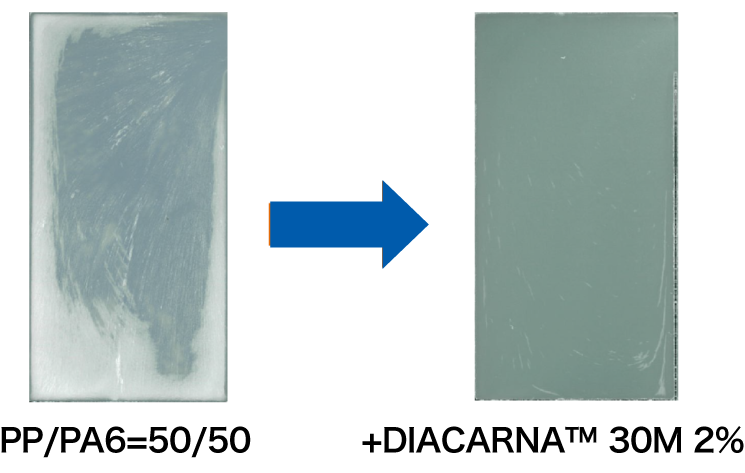
- While using recycled materials can often degrade physical properties, METABLEN and DIACARNA additives act as compatibilizers for different resins, helping suppress property deterioration. By making materials easier to separate, their use supports the advancement of a circular economy.
-
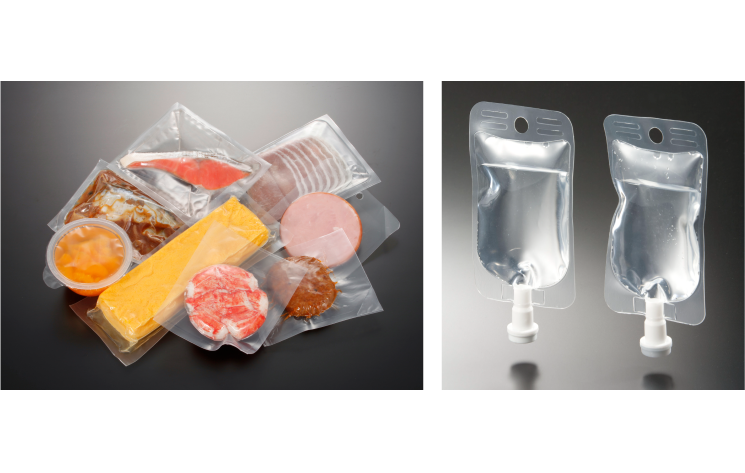
- DIAMIRON™ is a high-performance film that delivers excellent gas barrier properties. Because its various functions can be customized, DIAMIRON™ is used in a broad range of applications, including medical device packaging and infusion bags. Additionally, it is utilized in food packaging, contributing to the reduction of both food loss and waste.
-
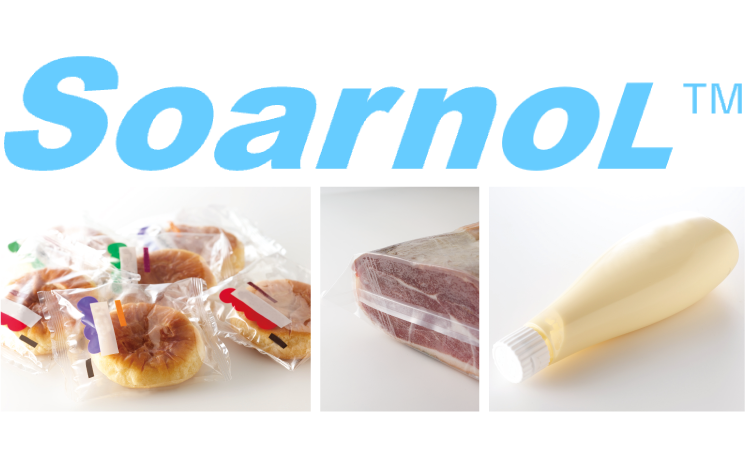
- Soarnol™ is a high-performance material (ethylene vinyl alcohol copolymer: EVOH) with excellent gas barrier properties. It is used in many applications, including food packaging and automobile fuel tanks, and contributes to reducing food waste and the amount of plastics used.
-
-
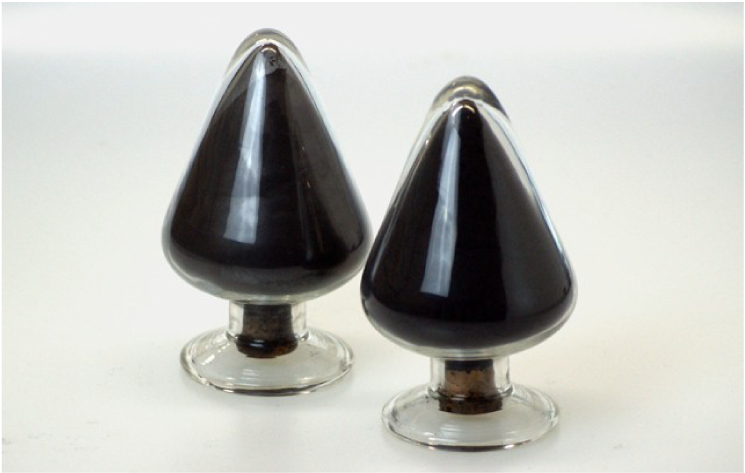
We offer two anode materials based on natural graphite: MPG and SF-MPG. MPG (Mitsubishi Power Graphite), used for HEV applications, delivers high output and durability, improving lithium-ion battery performance.
Additionally, SF-MPG (Swelling-Free Mitsubishi Power Graphite), used in BEV applications, significantly reduces swelling during charging and discharging, enabling a longer battery life.
-
-
Wafer Reclaim Service
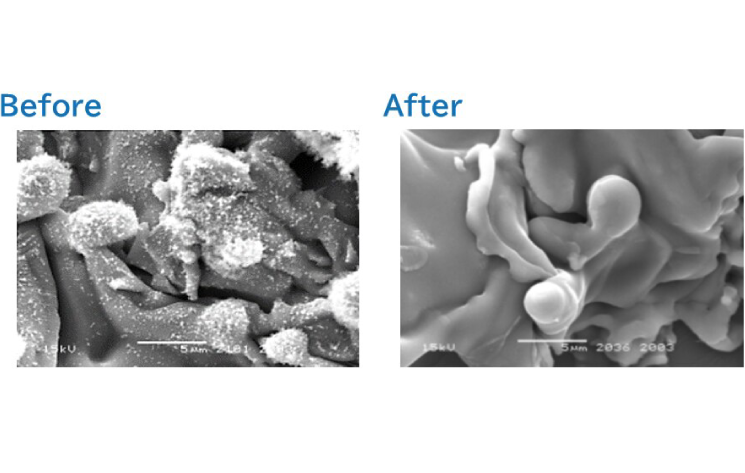
- Our precision cleaning service uses advanced precision cleaning and surface modification techniques to improve the yield of our customers' products. In addition, our wafer reclaim service provides high-quality reclaimed wafers using our unique film removal and polishing technologies. Both services contribute to prolonging the lifecycle of customers’ manufacturing equipment and their monitor and dummy wafers.
-
-
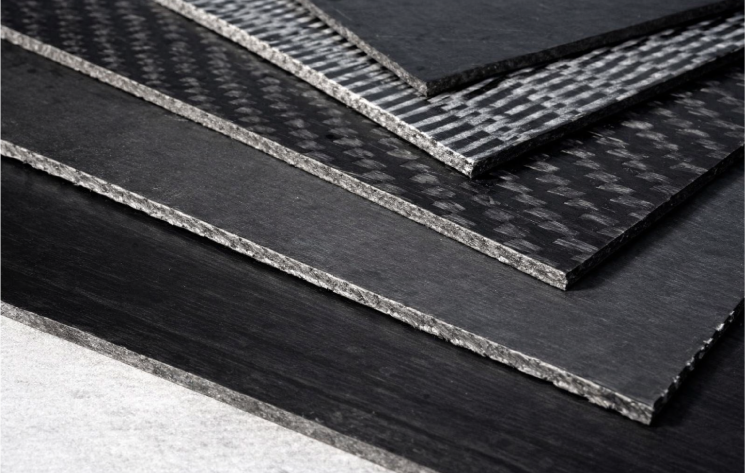
- This sheet-type composite material is made by reinforcing polypropylene with long fibers and/or continuous glass fiber mats. It features excellent mechanical properties, such as impact resistance, easy of recycling and is flame retardant, making it a lightweight alternative to metal.
Collaboration with Stakeholders
To realize a CE, it is essential to advance PoC-based technological development, institutional design, and social acceptance in an integrated manner. Collaboration with various stakeholders throughout the value chain is the foundation for this.
The Mitsubishi Chemical Group will connect with stakeholders globally and promote the advancement of recycling that contributes to saving resources, by participating in cross-industry initiatives and collaborating with governments. We will also share the value of a CE throughout the supply chain, including consumers, and accelerate the creation of sustainable products and services.
LCA and Other Data Management Initiatives
LCA is the quantitative evaluation of the environmental, social, and economic impacts of a product or service throughout its entire life cycle, from raw material procurement to manufacturing, transportation, sales, use, disposal, and reuse or recycling. In order to promote KAITEKI, we believe that quantitative assessment of our own products and supply chains through LCA is important in implementing efforts to reduce environmental impacts worldwide. We are actively working to visualize the environmental impacts and value of our products and to utilize this as a management tool.
Regarding product carbon footprint (CFP)*3, which is becoming increasingly important, in FY2022 we established a system that enables us to calculate CFPs for all products produced at MCC's domestic business sites and plants, and began rolling this system out globally to include major Group companies both in Japan and overseas from FY2023.
We are also actively working on traceability and data integration for sustainability-related information, such as calculated PCFs, the use of bio-based raw materials, and the quantity of recycled raw materials. When providing products made from recycled materials or bio-derived materials using the mass balance*4 method, we obtain third-party certifications such as ISCC PLUS certification and provide them under proper distribution management. MCC promises and declares that it will comply with the requirements for ISCC PLUS certification, under the latest International Sustainability and Carbon Certification (ISCC) rules.
- *3CFP (Carbon Footprint): GHG emissions from raw materials procurement to product manufacturing.
- *4Mass balance approach: A method of controlling a value chain in which a percentage of used recycled materials are voluntarily allocated to products by obtaining third-party certification for products manufactured by combining petroleum-derived raw materials and raw materials recycled from plastic waste.
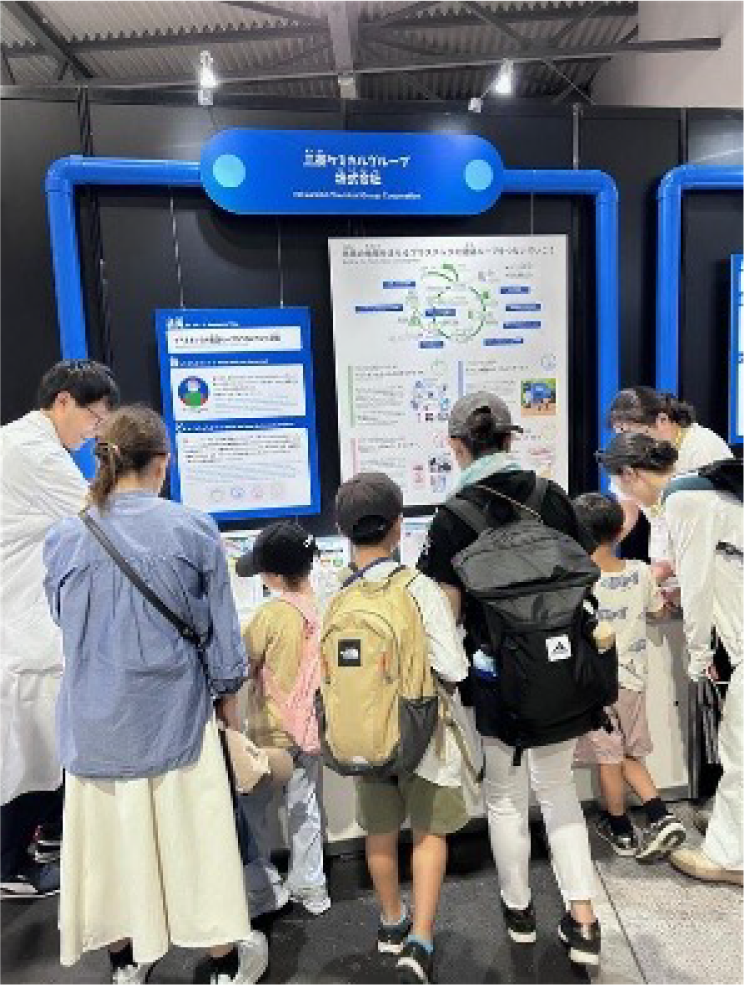
Exhibition at Circular Economy Laboratory at Expo 2025 Osaka, Kansai, Japan
The Mitsubishi Chemical Group exhibited at the Circular Economy Laboratory, an experience-based event hosted by the Ministry of Economy, Trade and Industry for seven days from September 23 to 29, 2025, at the EXPO Exhibition Center WASSE at 2025 Expo Osaka, Kansai, Japan.
Plastics, which play an important role in our daily lives with characteristics such as light weight, hygiene, ease of processing, and design, are an important resource that can be recycled and reused. We introduced various initiatives that the Group is undertaking together with stakeholders.
Exhibited Initiatives
- Recycling beverage bottle labels (a collaborative project with Fuji Seal, Inc.)
- Chemical recycling of acrylic resin
- Gas barrier plastic that enables food quality preservation
- Water purifiers that reduce disposable plastic bottles