Five Business Focus Areas for Addressing Social Challenges
Based on our Purpose, the MCG Group has identified five business focus areas where we can leverage our strengths as a group to address critical social challenges.
Identifying Social Challenges of Growing Importance and Business Focus Areas
As changes in the external environment have accelerated beyond expectations, we reviewed the social challenges that have become particularly critical over the five years since the formulation of our mid- to long-term management strategy, KAITEKI Vision 30, in 2020. Through this review, we identified the social challenges to which the MCG Group can contribute solutions, and set the following five as our key targets: effective energy use and decarbonization; resource management; digital technology advancement; food and water resource optimization; and extension of healthy life expectancy.
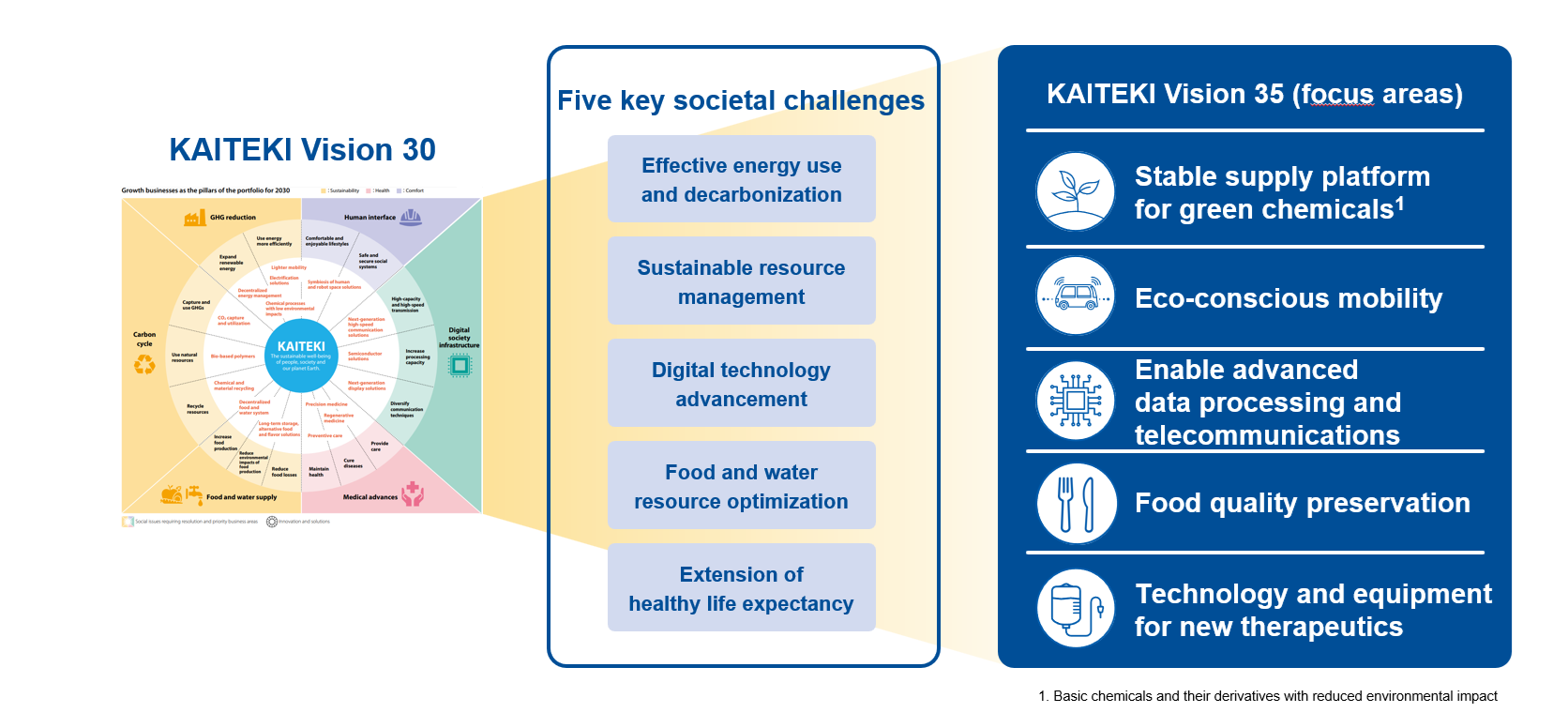
In response to these challenges, we further identified business domains with strong demand growth potential, where we can deliver superior value by combining our strengths in materials and manufacturing. Accordingly, we have defined the following five business focus areas: Stable supply platform for green chemicals; eco-conscious mobility; enable advanced data processing and telecommunications; food quality preservation; and technology and equipment for new therapeutics.
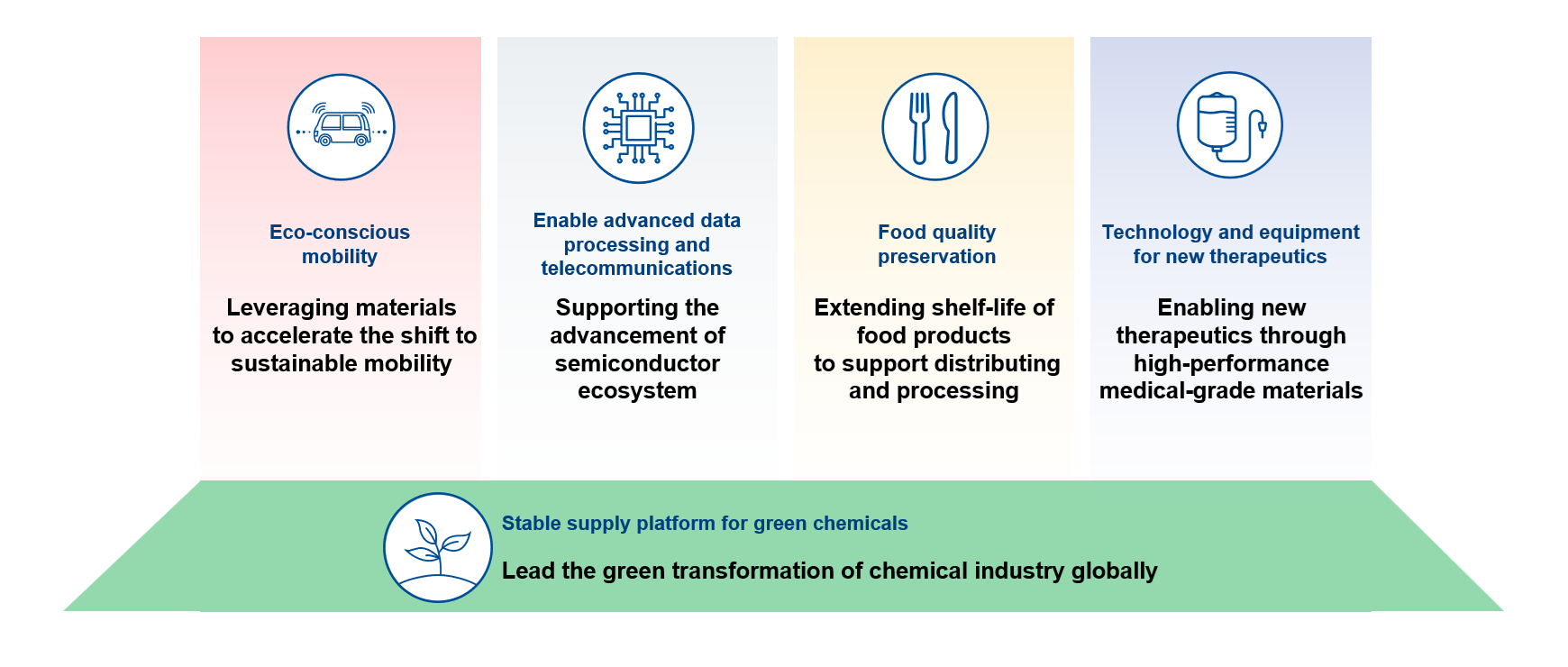
These five business domains are not independent of one another; rather, the “Stable supply platform for green chemicals” serves as the base that supports the other four domains. Products used across these four areas are recycled and returned to this platform as raw materials, aiming to create circular material flows that connect to the creation of new products and new value .
The Five Business Focus Areas and Their Visions

-
Vision
Lead the green transformation of the chemical industry globally
Stable Supply Platform for Green Chemicals
-
Background / Customer Needs
Against the backdrop of intensifying climate change and increasingly stringent environmental regulations, the chemical industry as a whole is being called upon to transition toward carbon neutrality (CN) and a circular economy (CE). Addressing effective energy use, decarbonization, and sustainable resource management is becoming increasingly important, not only to reduce environmental impact but also to mitigate future environmental costs and business risks.
-
Value Proposition (Solutions)
As reducing environmental impact across key stages of the product lifecycle becomes a priority, transitioning away from fossil materials positioned upstream in the supply chain is an essential element for realizing sustainable industries.
Green chemicals broadly refer to chemical products derived from renewable resources—such as plants, agricultural products and byproducts, and waste—that serve as alternatives to conventional fossil fuel-based chemicals. At the MCG Group, we define green chemicals as basic chemicals and their derivatives that support both our own initiatives and our customers’ transition toward a circular economy, carbon neutrality, and nature positivity.
To realize our vision, we are working to expand derivatives produced using e-methanol through collaboration with global players; take steps toward establishing closed-loop systems through chemical recycling of waste plastics; and commercialize plant-based chemicals, including plant-derived ethylene and propylene from bioethanol.
*Derivatives: Intermediate products produced by processing and synthesizing basic chemicals that serve as raw materials.
*e-methanol: Synthetic methanol made from CO2 and green hydrogen (hydrogen produced using electricity derived from renewable energy).
-
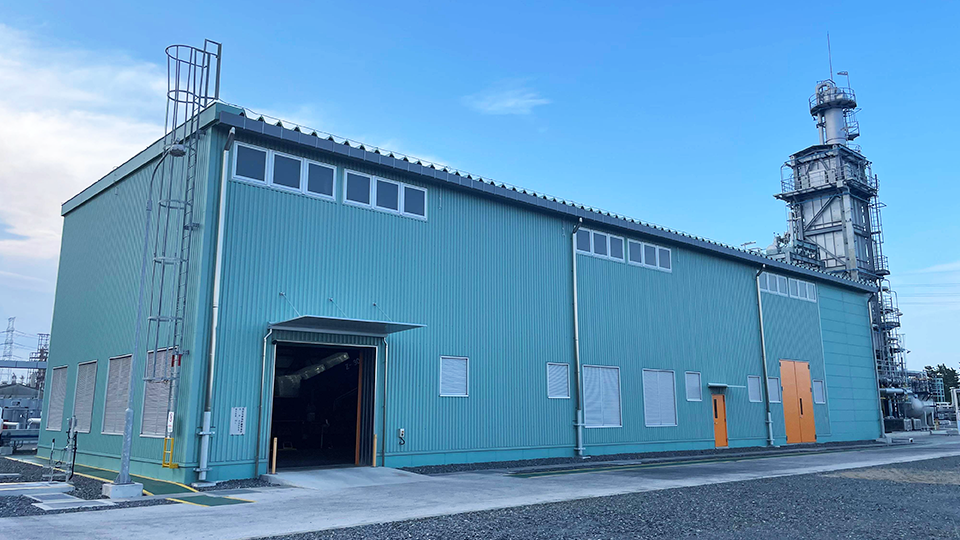
- Chemical recycling of waste plastics through oil conversion using supercritical water
-

- Production of aviation fuel derived from woody raw materials, and bio-naphtha (commercialization under consideration around 2030)
-
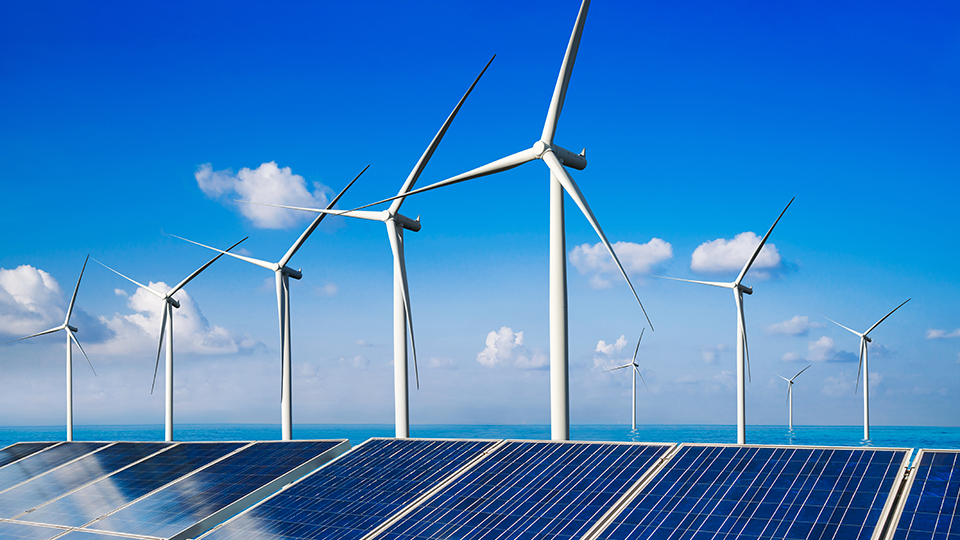
- Manufacturing of polypropylene using CO2 and green hydrogen as raw materials (commercialization under consideration around 2030)

-
Vision
Leveraging materials to accelerate the shift to sustainable mobility
Eco-conscious Mobility
-
Background / Customer Needs
As environmentally friendly mobility solutions gain traction, functional requirements for vehicle structures and materials are evolving. In particular, while the installation of EV batteries increases vehicle weight and drives strong demand for lightweight materials, advances in accident reduction technologies are shifting design requirements away from prioritizing impact resistance alone. Instead, demand is expanding toward comprehensive material selection that includes functionality, moldability, and greater design flexibility.
-
Value Proposition (Solutions)
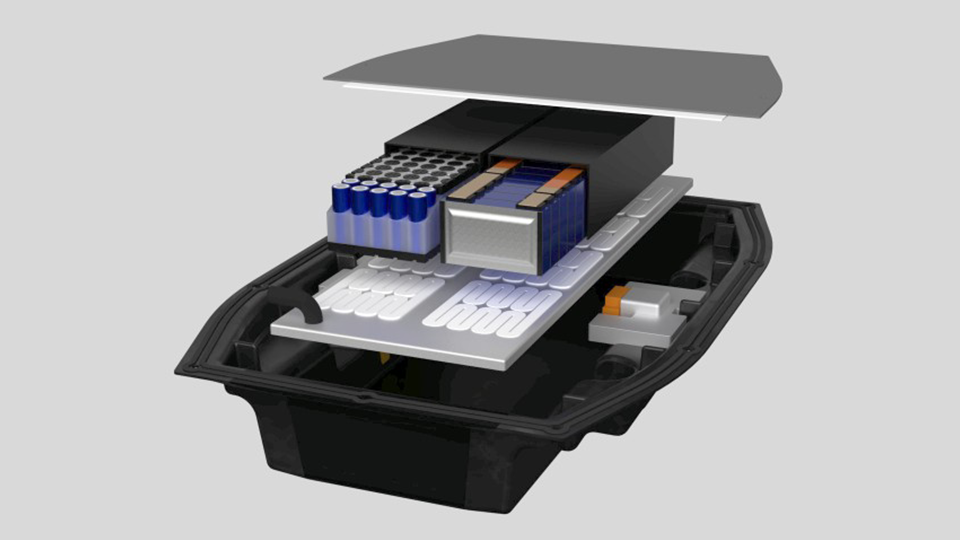
The MCG Group addresses challenges associated with electrification by providing lightweight materials, battery-related materials, and thermal management materials. In addition, we offer materials such as carbon fiber-reinforced plastics that enable functional integration and greater design freedom, expanding options for vehicle design. In response to environmental regulations, we provide recycled materials utilizing chemical recycling technologies, as well as materials made from renewable and recycled feedstocks. Through these solutions, we support the evolution of mobility by integrating environmental requirements alongside performance and design needs.
-
-
-

- (Carbon fiber / composite)


-
Vision
Supporting advancement of the semiconductor ecosystem
Enable Advanced Data Processing and Telecommunications
-
Background / Customer Needs
Advances in digital technologies, including artificial intelligence, are driving a rapid increase in data volumes. At the same time, the growing power consumption required for data processing and transmission has become a global social challenge, heightening the need to achieve both higher performance and lower power consumption in semiconductors.
In the semiconductor industry, technological developments such as miniaturization and three-dimensional integration are progressing, while environmental and resource-related challenges—such as water and chemical usage and the treatment of wastewater and waste liquids—are becoming increasingly important. Consequently, alongside performance improvements, effective resource utilization and reduced environmental impact across the entire manufacturing process have become critical needs.
-
Value Proposition (Solutions)
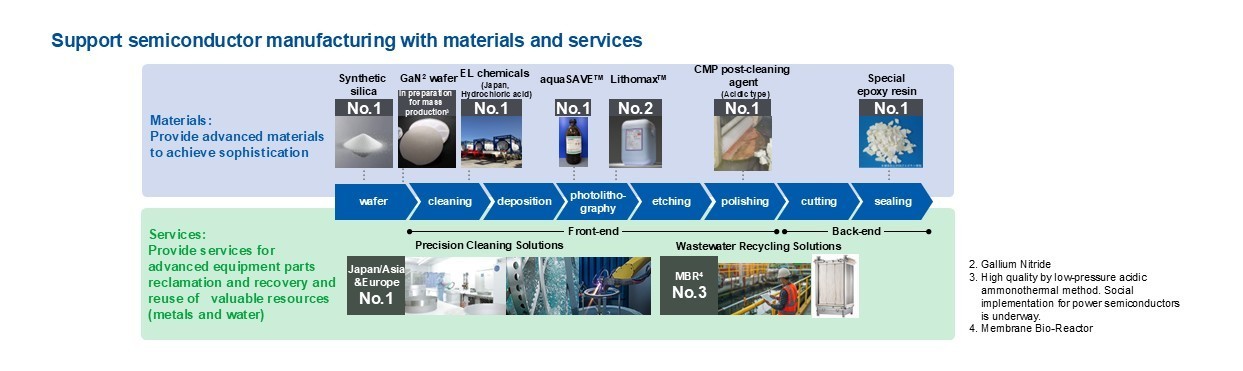
The MCG Group provides material-based services that support semiconductor manufacturing from both the arterial and venous sides. On the arterial side, we support market demand for higher purity and higher resolution by supplying high-purity materials, including essential products such as synthetic quartz, while also developing high value-added products such as GaN substrates. On the venous side, we provide separation and treatment technologies for wastewater and waste liquids generated during manufacturing processes.

-
Vision
Extending shelf-life of food products to support distribution and processing
Food Quality Preservation
-
Background / Customer Needs
Driven by climate change, population growth, urbanization, and uneven distribution of food resources, the global food environment is becoming increasingly complex, and awareness of the need to reduce food loss is growing. In this context, processed foods with superior preservability and distribution efficiency play an essential role in ensuring a stable food supply. With advances in processing and packaging technologies, processed foods have diversified to meet modern lifestyles, and their role in supporting stable food supply is expected to continue expanding.
-
Value Proposition (Solutions)
By combining diverse strengths—including functional food materials, packaging technologies, and industrial gases—the MCG Group contributes to improving food preservation quality through oxidation prevention, texture control, and microbial suppression. We also enable hygienic and efficient food production through engineering services for manufacturing facilities and wastewater treatment technologies. These functional materials and technologies are flexibly utilized according to the type of food and the distribution environment, contributing to the preservation of food quality across various processing and distribution sites. In addition, for packaging and container materials, we are working on developing thinner films designed to maintain performance, while also utilizing biomass-based materials and advancing designs and technologies with recyclability in mind.
-
-

- (Example of product use: emulsifier)


-
Vision
Enabling new therapeutics through high-performance medical-grade materials
Technology and Equipment for New Therapeutics
-
Background / Customer Needs
As populations age, extending healthy life expectancy has become a critical challenge, driving efforts in age-related disease prevention, early detection, and early treatment. At the same time, the diversification of treatment modalities—such as cell therapy, gene therapy, and biopharmaceuticals—has expanded viable options for diseases that were difficult to address with conventional small-molecule drugs.
Against this backdrop, innovation in medical devices and new treatment approaches is accelerating, and demand for the materials and foundational technologies that support these advancements is expected to increase further.
-
Value Proposition (Solutions)
Strict hygiene management is required in the manufacturing and distribution of biopharmaceuticals. While the use of single-use plastics is increasing due to concerns about sterility and contamination risk, the MCG Group supports the manufacturing and distribution of biopharmaceuticals by supplying materials used in infusion bags and tubing, as well as functional materials and equipment for separation and purification.
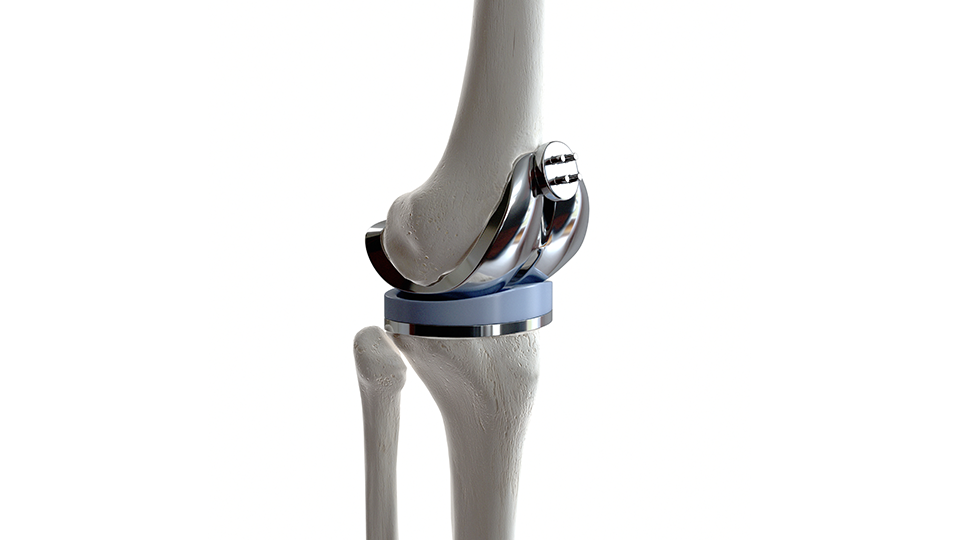
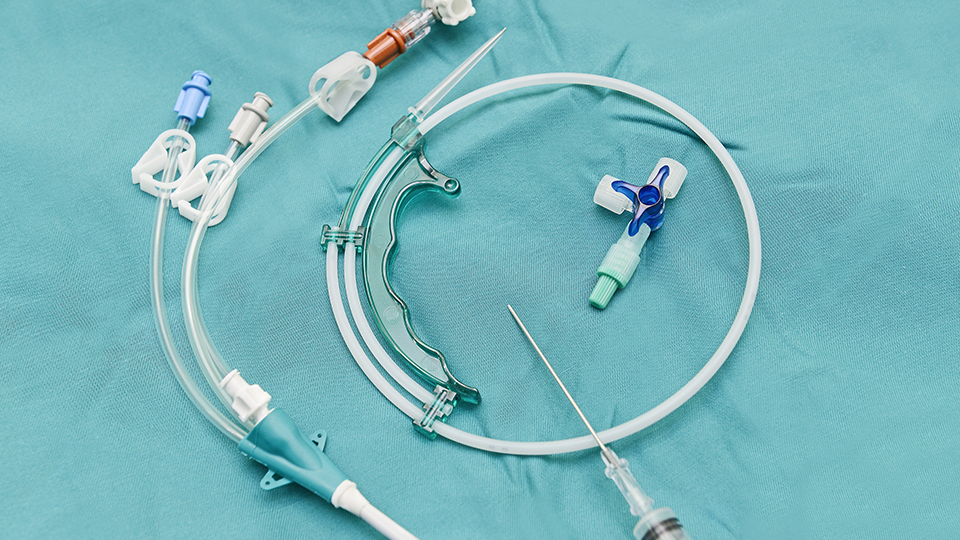
The production of medical devices implanted directly into the human body, such as artificial joints and indwelling catheters, requires high precision and reliability. We supply engineering plastic materials and medical-grade functional resins such as thermoplastic resins, and provide end-to-end support covering component design, molding, assembly, filling, and packaging under robust quality management systems.
Considering the environmental challenges of plastics used in the medical field, we will explore the establishment of systems, in collaboration with other companies, for collecting used products and recycling them through chemical recycling, while ensuring compliance with regulations and safety requirements.