Working Closely with Our Front Lines to Create a Safe, Supportive Workplace
11/13/26 / TEXT BY MCG
*Unit and details current as of interview
- Mitsubishi Chemical Corporation
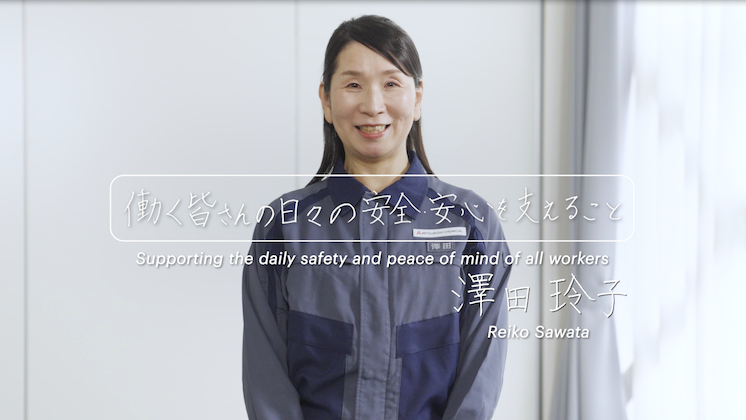
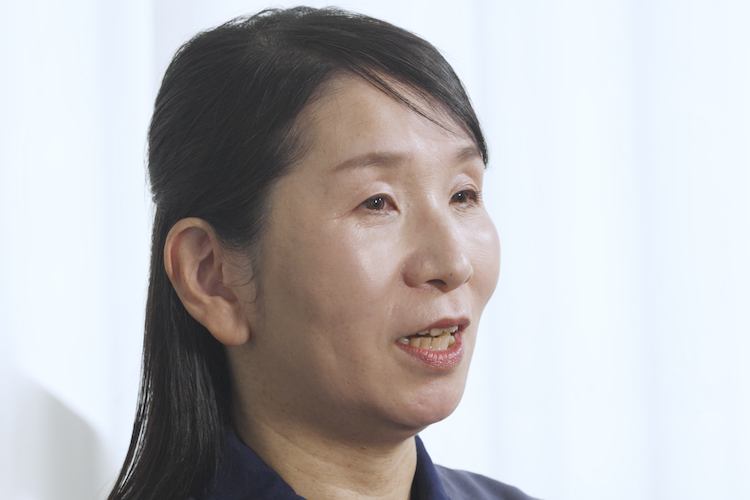
Operation for Japan Division, Kanto Plant, Environment & Safety Department (Tsukuba)Reiko Sawata - Career BioJoined the company and worked in administration at the Tsukuba Research Center. Later transferred to environmental and safety operations and handled a wide range of practical duties related to environment and safety, including regulatory reporting, waste management, and compliance for regulated chemical substances. Currently involved in regulatory compliance, internal audits, communication with regulatory authorities, and the development of internal rules.
Current work and context
My primary mission is to strictly comply with laws and regulations related to occupational safety and chemical substance management. In recent years, as legal regulations have become increasingly complex, our plants and manufacturing sites are required to take more sophisticated measures. At the same time, the increasing number of procedures can sometimes place a burden on employees at these sites. Therefore, another key part of my mission is to make operational adjustments that ensure compliance while making procedures clear and practical for the people who use them.
Questioning routine practices to drive operational efficiency
For many years, we routinely submitted notifications for outdoor air-conditioner units under Japan’s Vibration Regulation Law. Because air conditioners are frequently replaced or newly installed, each change required additional paperwork. One day, however, I began to question this routine: “Is this procedure truly necessary?" and "Is there any way to simplify this process?”
After repeated consultations with regulatory authorities, during which we carefully explained the actual installation conditions at the site, it was determined that these notifications were not required. This successfully reduced the administrative burden at the site.
Rethinking long-standing operational practices
This experience taught me the importance of questioning the purpose and necessity of even the most routine tasks and procedures. Modifying long-established processes can be challenging. However, I learned that by verifying the true necessity of a task, carefully explaining the realities at the site, and continuing to work with the relevant parties, we can find a better way forward. I want to continue acting as a bridge between our sites and regulatory authorities—conveying the voices of those on the ground to government officials while clearly explaining regulatory intent to our front lines—so that safety management and compliance become even more deeply rooted in daily operations.
Combining the efficiency of AI with the value of human dialogue
Moving forward, I aim to help build an organization where safety management and legal compliance are about more than simply completing required procedures so each site can make decisions and take action based on its own circumstances. To achieve this, I plan to promote operational efficiency, including the potential use of AI tools. At the same time, I will remain dedicated to areas that require a human touch, such as understanding subtle site-level conditions and coordinating with stakeholders.
What KAITEKI means to me
To me, KAITEKI means supporting the daily safety and peace of mind of all workers. To do this, I believe it is important to listen closely to employees at our sites and address each issue objectively and carefully. By continuing to identify opportunities for improvement in my daily work and maintaining close communication with the people at each site, I hope to help maintain a workplace where everyone can work safely and with peace of mind.