A Plentiful, Sustainable Future Starting with NOVAORBIS™
03/26/26 / TEXT BY MCG
*Unit and details current as of interview
- Japan Polypropylene Corporation
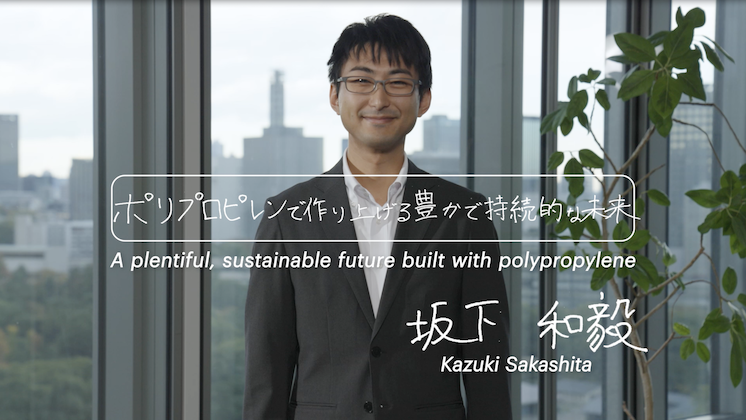
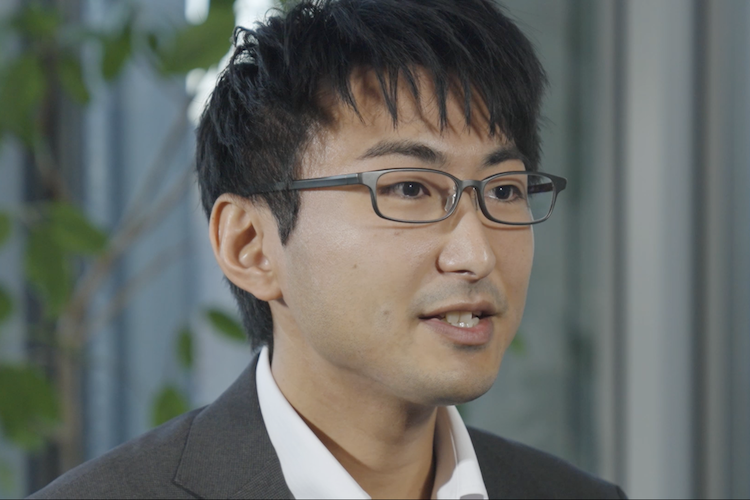
Planning Division, Planning GroupKazuki Sakashita - Career BioAfter joining the company in 2017, engaged in polypropylene (PP) research at Japan Polypropylene’s laboratory in Yokkaichi, Mie Prefecture. Currently promoting NOVAORBIS™, a polypropylene brand designed to reduce fossil resource usage in the Planning Division, Planning Group.
Current work and context
As climate change's impact intensifies, the plastics industry faces a major transformation. Polypropylene is a lightweight material with an excellent balance between rigidity and impact resistance, as well as superior moldability, making it an indispensable material in every aspect of daily life, from food packaging to medical and sanitary products, as well as automobiles. Since replacing all polypropylene with other materials is impractical, it is essential to promote polypropylene with lower environmental impact compared to conventional fossil fuel-derived products. Therefore, we seek to reduce greenhouse gas emissions from NOVAORBIS™ and contribute to resource circulation by utilizing recycled materials and bio-based materials such as bio-naphtha, while maintaining polypropylene's material performance.
Making sustainable materials widespread
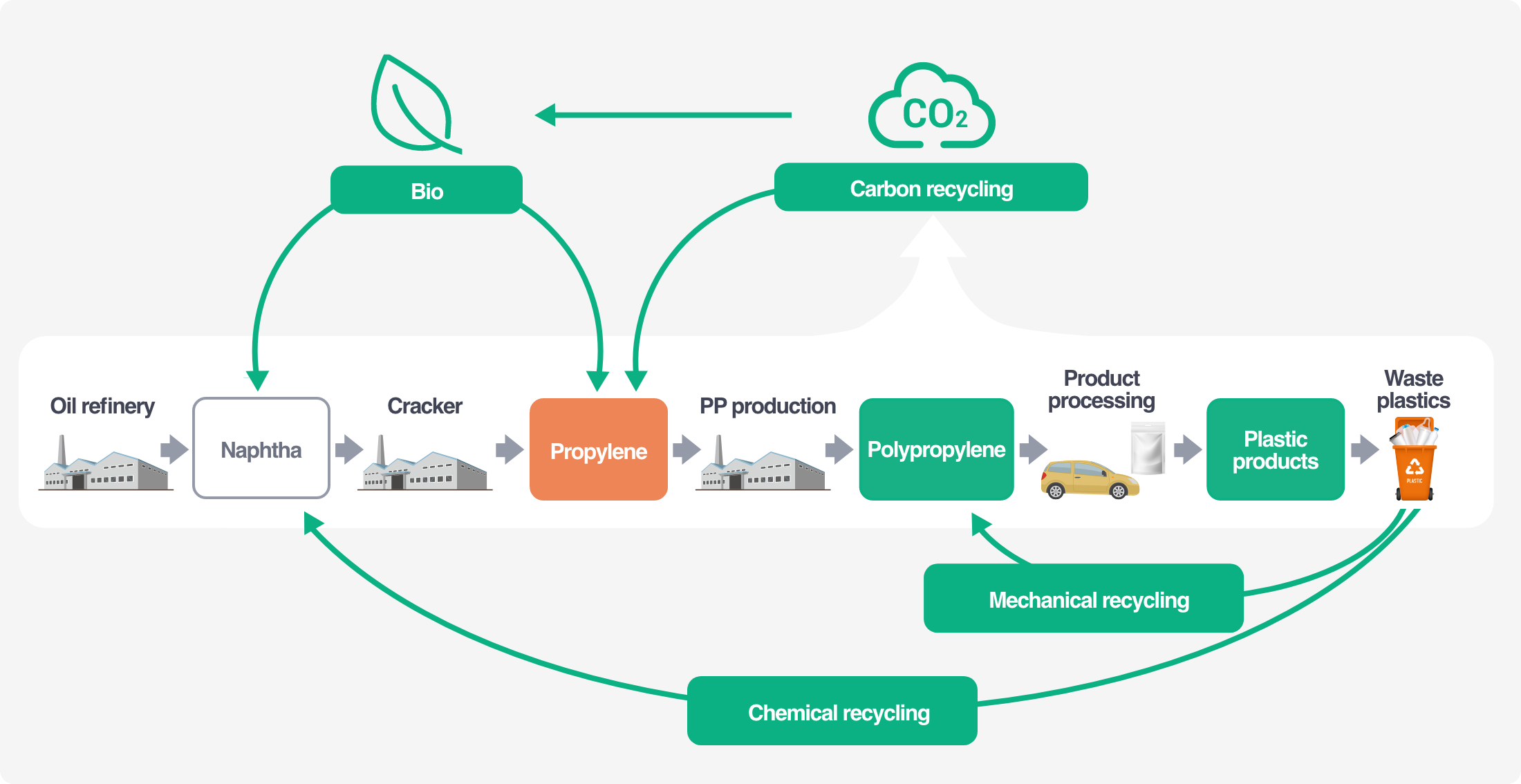
Through market analysis and value propositions to customers, I work to raise awareness and promote widespread adoption of NOVAORBIS™ in society. Manufacturing NOVAORBIS™ involves multiple approaches: mechanical recycling, which directly reuses raw polypropylene recovered from the market; chemical recycling, which converts recovered plastic back into oil for reuse; carbon recycling, which repurposes CO₂ captured via CCU processes as a resource; and bio-polypropylene derived from sources such as bio-naphtha.
Propositions that exceed expectations by combining proprietary technology with environmental value
When rolling out a promotion, we have found that simply highlighting the value of reducing fossil-derived materials isn't enough to win customers over. That's why we combined our proprietary metallocene catalyst technology and material design technology—our core strength—with the NOVAORBIS™ goal of reducing fossil-derived material usage. By proposing both the unique functionality our technology imbues polypropylene with and the resource efficiency achieved through recycled and bio-based materials, we have offered solutions that surpass customer expectations and which competitors cannot imitate.
Toward a Future that Advances a Circular Economy and a Carbon-Neutral Society
Starting with NOVAORBIS™, I aim to expand the use of recycled materials and bio-based materials. By advancing both a circular economy that recycles plastics and a carbon-neutral society through expanding bio-based materials and reducing CO2 emissions during manufacturing, I envision a future in which plastics are not a burden on society, but a key driver of sustainable development.
What KAITEKI means to me
A plentiful, sustainable future built with polypropylene. That's KAITEKI to me. I intend to continue my relentless pursuit of pushing the limits of environmental value through this material.