Meeting Automakers’ Demand for Recycled Plastic to Create a Safer, More Reassuring Society
03/26/26 / TEXT BY MCG
*Unit and details current as of interview
- Japan Polypropylene Corporation
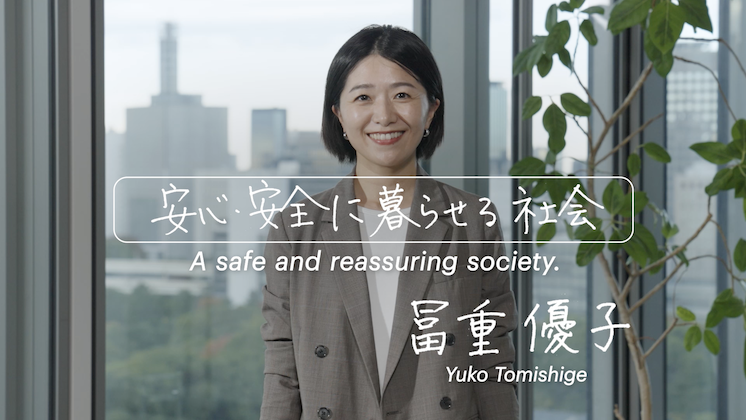
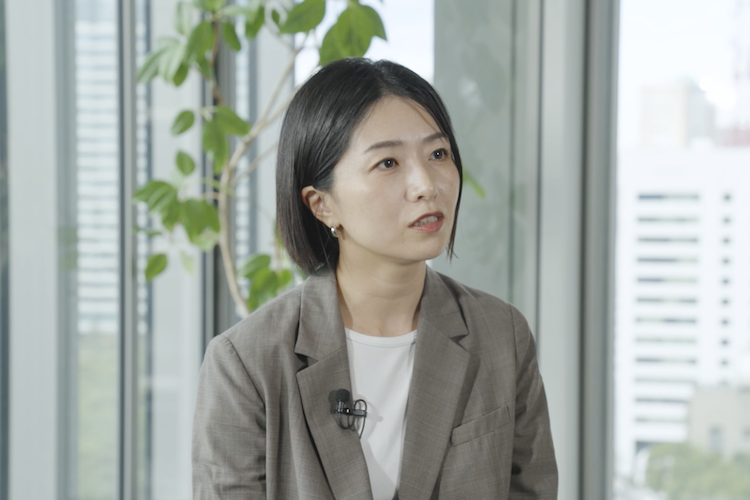
Automotive & Appliance Products Department, Nagoya GroupYuko Tomishige - Career BioJoined Mitsubishi Chemical in 2015. Started her sales career in Japan Polypropylene’s Industrial Supplies Department. After working at the Nagoya Branch’s Industrial Materials Department, in 2021 she went to U.S.-based group company Mytex Polymers. Currently back doing sales at the Nagoya Branch’s Industrial Materials Department, where she pitches and sells polypropylene as an automotive material.
Current work and context
Polypropylene is lighter than metals like iron and aluminum. It also excels in impact resistance and moldability. This makes it a highly cost-effective resin. Due to these qualities, polypropylene is an extremely important material with approximately 50 to 70 kilograms used in each automobile for components such as bumpers, instrument panels, and interior and exterior parts. Our key mission today is to respond to the needs of our automaker customers by working closely with them to understand exactly what is required and what is possible.
Addressing the automotive sector’s growing need for recycled plastics
In December 2025, Europe reached a provisional agreement on regulations for the management of end-of-life vehicles (ELVs) covering their disposal and recycling. These regulations would mandate the the phased introduction of recycled materials into the plastic parts of new automobiles, thus placing greater emphasis on the use of recycled materials. Against the backdrop of this international trend, the Japan Automobile Manufacturers Association is also promoting the use of recycled plastics in Japan. This has rapidly increased demand for plastic materials recycled from waste plastic. However, compared to conventional products made from 100% naphtha-derived materials, there are many challenges we need to address with recycled plastics, such as quality control, assurance of specifications, and stable supply.
Responding to rapidly changing needs for recycled materials through dialogue
For regulatory compliance, clear guidelines are required on the minimum percentage of recycled content made from market-recovered waste plastic. Europe's ELV management regulations set targets of 15% within six years of enactment and 25% within 10 years. However, the more recycled materials you have, the more difficult quality control becomes. On the other hand, if the percentage is too low, automakers cannot meet their numerical targets. Industry rules for using recycled materials are in the works, while customer needs change daily. It's not uncommon for customers to change last week's plan for 25% recycled material to 50% this week. To navigate these changes, I make it a point to communicate even more frequently with customers.
Evolving with changes to become a trusted partner
The needs and the market environment for recycled materials are changing daily, and responding reliably to these changes is essential. Especially in the automotive sector, customers set a very high bar for selecting materials, so we have to simultaneously meet multiple requirements such as light weight, environmental regulations, and safety. Looking ahead, I want to maintain close communication with our customers, swiftly relay their latest needs to our company as I gather them directly, and respond quickly. By doing so, I hope to remain a trusted partner in a fast-changing market.
What KAITEKI means to me
To me, KAITEKI means a safe and reassuring society. The work I am engaged in today helps lay the foundation for a society where my children and future generations can live with peace of mind. Doing work that I can be proud of for future generations is what motivates me.