Solving Flavor Change Challenges in Fermented Dairy Distribution to Deliver Deliciousness Worldwide
03/26/26 / TEXT BY MCG
*Unit and details current as of interview
- Mitsubishi Chemical Corporation
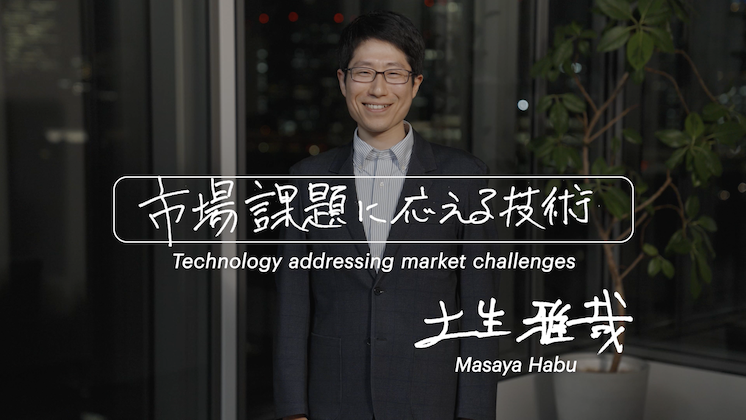
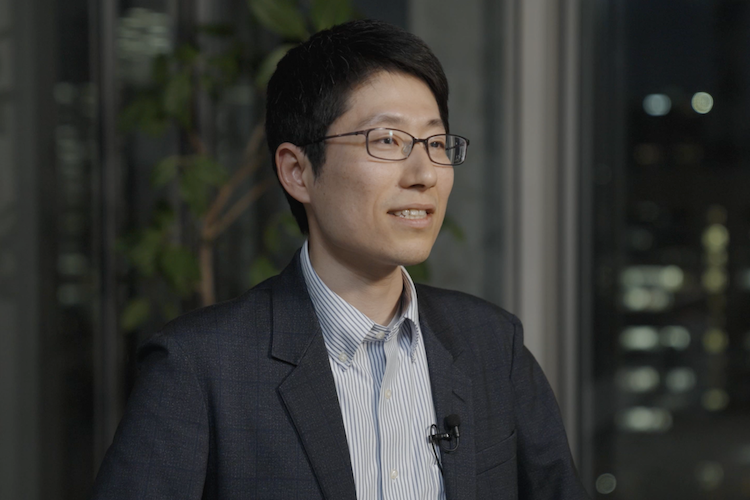
Advanced Solutions Business Group, Life Solutions Division, Food & Healthcare Incubation Department, New Business Development GroupMasaya Habu - Career BioJoined Mitsubishi Chemical in 2022 as a mid-career hire. Spent the first three months learning all about the food and healthcare business in the production management domain, then began working on developing new products and business. Currently assigned to the Food and Healthcare Incubation Department, promoting projects focused on “food quality preservation,” enhancing food stability, and extending shelf life.
Current work and context
I'm working on technology to extend the shelf life of yogurt. Growing health consciousness around the world is driving higher demand for fermented dairy products like yogurt and probiotic lactic acid bacteria drinks. However, because yogurt contains live, active bacteria, fermentation can progress too far during storage, which can make the yogurt taste sour or otherwise change the flavor. This poses a major challenge for quality preservation and ultimately leads to food loss. The goal of our technology is to control bacterial activity in a way that extends current shelf life which is several weeks, by about one additional week.
Maintaining freshness and flavor under demanding transportation conditions
There is global demand for technology that extends the shelf life of fermented dairy products, as many regions face logistical challenges. In Southeast Asia in particular, the climate contributes to faster fermentation while consumers there tend to dislike excessive sourness. If we can deliver these products while maintaining freshness and flavor, even under demanding distribution and storage conditions, then I think this technology can make a significant contribution to both reducing food loss and promoting health.
Applying customer feedback to make our technology easier to implement
Mitsubishi Chemical has long possessed technology for controlling bacteria activity. But this technology alone remained difficult for food manufacturers and other customers to utilize effectively. So we partnered with a Singaporean flavor manufacturer to advance joint R&D through open innovation. Together with local partners, we made numerous visits to dairy manufacturers and listened closely to their various needs. Even now, we continue exploring more user-friendly formulations. “Starting development from the voice of the customer” is a principle I always keep firmly in mind.
Our ultimate goal is to use our formulations to create yogurt with live bacteria that you can distribute at ambient temperatures. Few countries possess a nationwide refrigerated logistics network. We want to deliver delicious, healthy yogurt to people in regions where geography or infrastructure makes refrigeration difficult. When this becomes a reality, I firmly believe our technology will demonstrate its true value.
What KAITEKI means to me
Technology that addresses market challenges. That is what KAITEKI means to me. Seeing products that contain materials we have developed lined up on store shelves and knowing that people take pleasure in choosing them. I believe that responding to the challenges of customers and markets through technology, and implementing those solutions in society, is what leads to the realization of KAITEKI.