
Building Resilient Food Systems
in Asia-Pacific Through Packaging
05/20/26
/ TEXT BY MCG
*The information, positions and affiliations mentioned in this interview reflect the status at the time of the interview.
Over the past year, Asia has repeatedly faced reminders of its vulnerability to natural disasters, as crises have exposed the fragility of food supply chains.
Against this backdrop, what role can food packaging play in supporting food security? We spoke with Keita Komine, Head of Marketing (APAC), at Mitsubishi Chemical (Thailand), to gain his perspective on the current challenges and the way forward.
Challenges Facing the Food Supply Chain
When disasters strike, access to safe and nutritious food is not merely a matter of convenience—it is a matter of survival. As natural disasters become more frequent, food security has become a more pressing concern across the Asia-Pacific region.
Food packaging is an often overlooked but essential part of food security. When disasters disrupt logistics, damage infrastructure, or isolate communities, the ability to preserve food, transport it safely, and extend its shelf life becomes critical. By helping to maintain food quality and enabling food to be stored, distributed, and consumed over longer periods, food packaging plays an essential role in sustaining food supply—one that is gaining renewed attention.
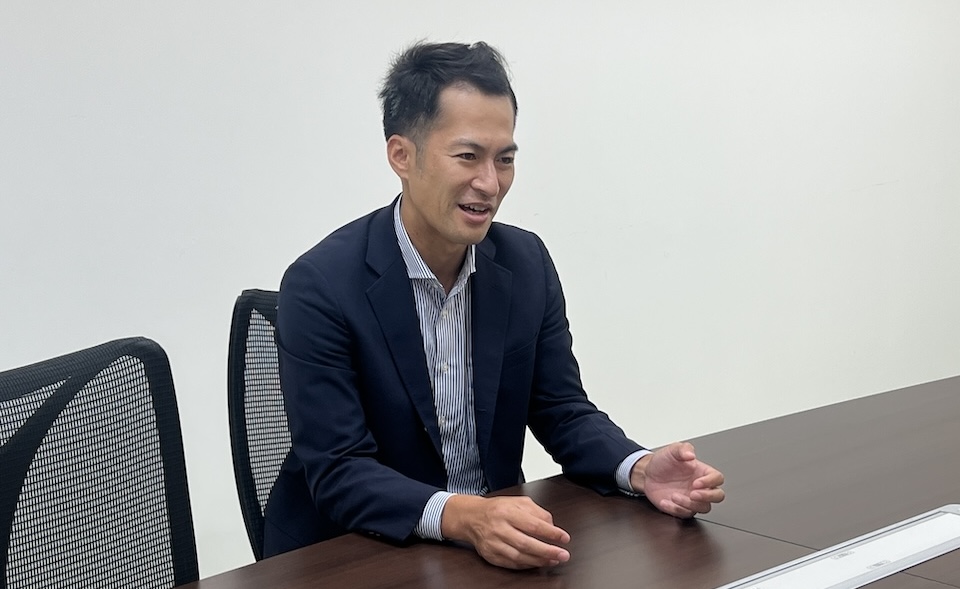
Keita Komine/Director of Packaging Film Domain, Mitsubishi Chemical (Thailand) Co., Ltd. & Head of APAC RHQ Marketing
Food Packaging as a Key Enabler of Food Security
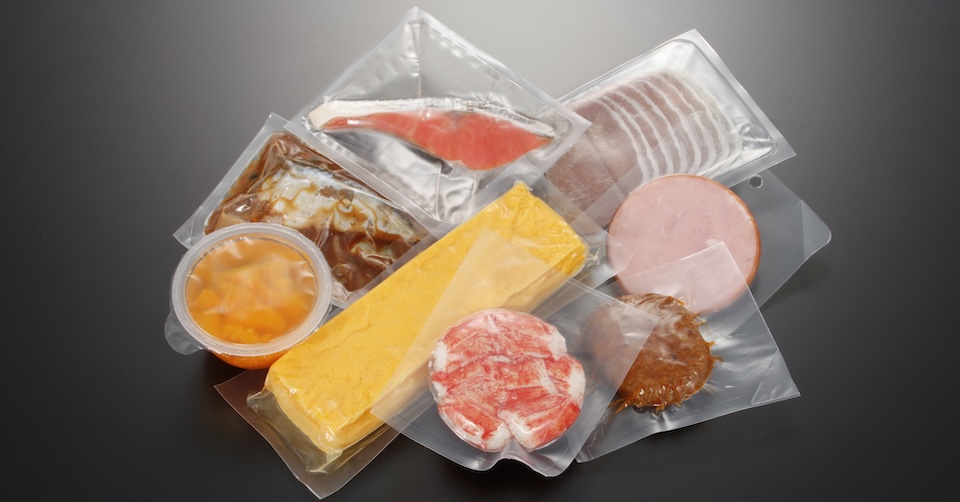
For Mitsubishi Chemical Group (MCG), food packaging is more than a functional necessity—we view it as a key solution for strengthening resilience and supporting a stable food supply, even in times of crisis. Enhancing freshness, reducing food loss, and maintaining food safety during transportation and storage—taken together, these functions contribute directly to improving food security.
MCG offers a wide range of materials and functional technologies that support the preservation of food quality, allowing packaging solutions to be tailored to specific needs and applications. In particular, advanced barrier materials play a critical role in maintaining food quality and enabling longer, safer distribution and consumption periods. These capabilities are essential not only for everyday food distribution, but also for the provision of emergency rations and relief food during natural disasters.
Understanding the APAC Market Landscape
A comparison between Japan and the Asia-Pacific region shows differences in food packaging technologies and standards that reflect differing business environments and stages of market maturity. Japan’s experience in managing natural disasters has driven steady evolution in food packaging technologies, with greater emphasis on reliable performance even as distribution conditions and usage environments change.
Meanwhile, in many parts of the Asia-Pacific region, food packaging has traditionally focused on meeting basic functional requirements, with a strong emphasis on affordability and broad applicability. This contrast points to significant potential for growth across the region.
Bridging this gap is one of our key roles. By sharing the technological expertise developed across our markets, collaborating with local partners, and promoting innovation tailored to regional needs, Mitsubishi Chemical aims to evolve packaging materials toward higher value, improved resilience, and enhanced performance. Through these efforts, we seek to enhance food packaging standards across ASEAN and other emerging markets.
As well as improving food safety and quality, this approach supports the long-term development of regional food industries.
Packaging That Functions in Times of Crisis — Advancing Performance
As natural disasters grow more frequent and severe, resilience has become an increasingly important requirement for food systems across the Asia-Pacific region. In this context, packaging materials are regarded as a foundational element of food systems, functioning in normal times as well as during crises. By enabling the preservation and transportation of emergency food supplies while maintaining quality and safety, packaging has played a role in supporting lifelines.
For us, resilience means the ability to maintain a consistent level of quality and safety in food distribution and consumption, even in the face of unforeseen events such as logistical delays or supply disruptions. Achieving this requires the ongoing development of core capabilities that support food distribution, including improved shelf-life performance and physical robustness.
From this perspective, Mitsubishi Chemical strongly emphasizes continuous improvements to the performance of food packaging. By improving the physical strength of film materials and their storage performance at room temperature, we are working to ensure that food can withstand unexpected environmental changes. While these functions are not unique to our company, we believe that the continuous enhancement of performance supports communities even under conditions of heightened uncertainty, contributing to greater resilience across food systems.
Emerging Market Needs and Rising Environmental Expectations
Looking at market trends across the Asia-Pacific region, new customer needs are becoming increasingly clear. The region’s diverse cultures, religions, and dietary requirements are driving demand for highly customizable packaging solutions rather than a one-size-fits-all approach.
At the same time, global environmental concerns are reshaping expectations. Recyclability and environmental responsibility are no longer optional, and this applies equally in the Asia-Pacific region. Customers are increasingly seeking packaging that balances performance and safety with sustainability.
A key consideration is that sustainability and circularity cannot be considered separately from food security. Although plastic packaging inevitably raises environmental challenges, it remains essential for food preservation.
For this reason, the challenge we face is how to incorporate recyclability while maintaining all required performance standards. In developing packaging materials, we aim to deliver solutions that support food safety and extend shelf life while also contributing to the realization of a circular economy.
Shaping the Future of Food Packaging in APAC
Our packaging solutions are already being adopted by many food companies across the Asia-Pacific region, with collaboration continuing to expand. As we look ahead, we believe that we will play an increasingly important role in shaping the future of food packaging in this region.
As rising climate risks and population growth place increasing pressure on food systems, the Asia-Pacific region requires solutions that stem from enhanced productivity across the food industry, as well as improved recyclability of packaging materials. By leveraging the barrier technologies we have developed over many years, along with our ability to tailor film performance to the specific needs of different applications and markets, we aim to support the growth of the food industry and help ensure a safe and sustainable food supply.
Through these efforts, MCG is moving one step closer to turning the vision of KAITEKI into reality, where innovation in food packaging contributes not only to business growth, but also to a more resilient and sustainable society for the Asia-Pacific region.
- Share


Index
- Challenges Facing the Food Supply Chain
- Food Packaging as a Key Enabler of Food Security
- Understanding the APAC Market Landscape
- Packaging That Functions in Times of Crisis — Advancing Performance
- Emerging Market Needs and Rising Environmental Expectations
- Shaping the Future of Food Packaging in APAC
- Share


